Breast Tumors: Causes, Symptoms, Diagnosis, and Treatment
Breast tumors are among the most common health concerns affecting women worldwide. While the word “tumor” may cause fear, it is important to understand that not all breast tumors are cancerous. Many breast tumors are benign (non-cancerous) and can be treated successfully when detected early.
Understanding the causes, symptoms, and available treatments can help individuals seek medical care at the right time and improve outcomes.
What Are Breast Tumors?
Breast tumors occur when cells in the breast grow abnormally and form a mass or lump. These tumors may be classified into two main types:
- Benign tumors: Non-cancerous growths that do not spread to other parts of the body.
- Malignant tumors: Cancerous growths that can invade surrounding tissues and spread to other organs.
One of the most common benign breast tumors is Fibroadenoma, which often affects younger women and usually does not pose serious health risks.
Common Symptoms of Breast Tumors
Breast tumors may present with different symptoms depending on their type and size. Some people may not experience any symptoms at all, especially in the early stages.
Common signs include:
- A lump or thickening in the breast
- Changes in breast size or shape
- Pain or tenderness in the breast
- Skin changes such as redness or dimpling
- Nipple discharge
- Swelling in the breast or underarm area
In some cases, breast cancer may develop without noticeable symptoms, which is why regular screening is extremely important.
Causes and Risk Factors
Several factors may increase the risk of developing breast tumors. These include:
- Family history of breast cancer
- Hormonal changes
- Age (risk increases with age)
- Obesity
- Lack of physical activity
- Exposure to radiation
- Genetic mutations such as BRCA1 gene and BRCA2 gene
However, it is important to note that many women diagnosed with breast tumors may not have any known risk factors.
Diagnosis
Doctors use several diagnostic methods to evaluate breast lumps and determine whether they are benign or malignant. Common diagnostic tools include:
- Mammography – An X-ray imaging test used to detect breast abnormalities.
- Breast Ultrasound – Helps distinguish between solid masses and fluid-filled cysts.
- Breast Biopsy – A small tissue sample is taken from the lump for laboratory analysis.
Early diagnosis greatly increases the chances of successful treatment.
Treatment Options
Treatment depends on the type, size, and stage of the tumor. Some benign tumors may only require monitoring, while others may need surgical removal.
For malignant tumors, treatment options may include:
- Surgery
- Radiation therapy
- Chemotherapy
- Hormone therapy
Many breast tumors, especially benign ones, can be treated effectively with minimally invasive procedures.
Importance of Early Detection
Early detection plays a crucial role in improving survival rates and treatment success. Regular breast self-examinations, clinical checkups, and screening tests such as Mammography help detect abnormalities before symptoms appear.
Women are encouraged to consult a healthcare professional if they notice any unusual changes in their breasts.
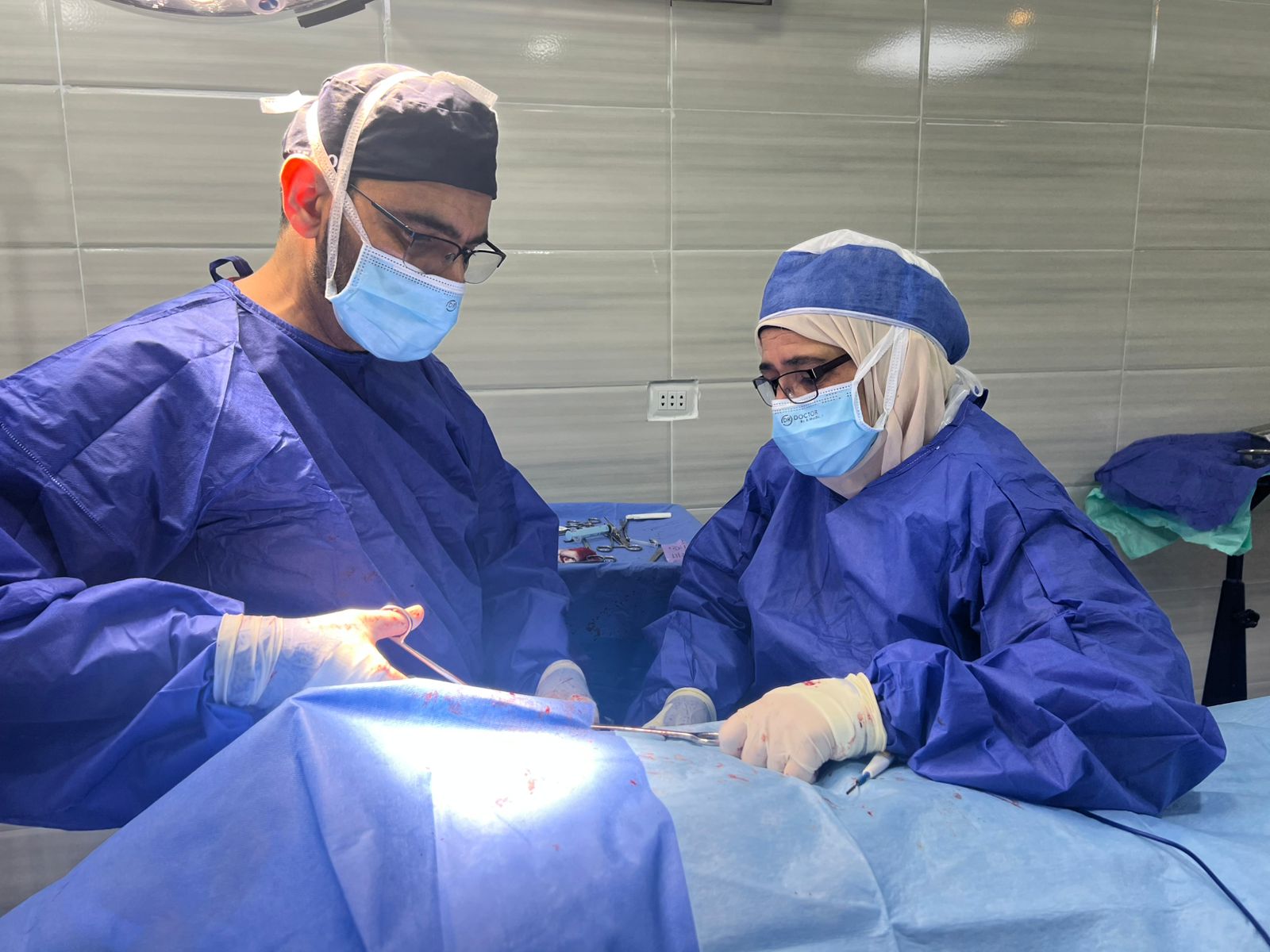
Dr. Alaa Talaat is a Senior Consultant Oncoplastic Breast Surgeon whose career reflects extensive training and practice across both the United Kingdom and Egypt. He has established a specialization in treating both benign and malignant breast disease, integrating oncological safety with aesthetic surgical outcomes.
Phone: +20 10 30631653
Join our community and be part of the awareness movement.
Become a member of the “Journey of One Million” group – a campaign dedicated to raising awareness about breast cancer. click here